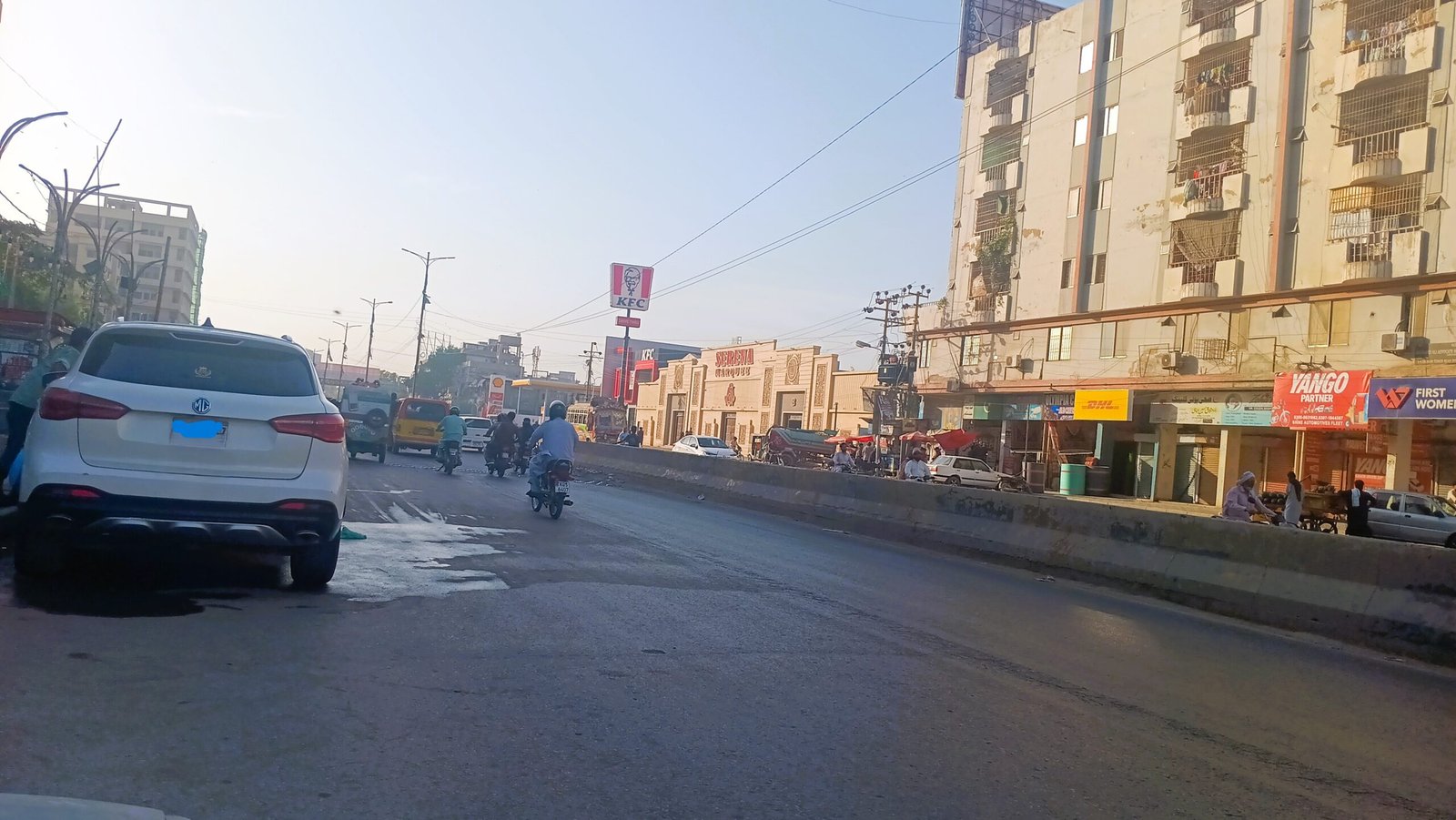
The Heartbeat of Cities
As I walked through the streets in late afternoon, I realised , The concept of cities as living organisms is an intriguing perspective that highlights the dynamic interactions present in urban environments. Much like any living system, cities exhibit a variety of functions and activities that contribute to their vibrancy and character. This perspective invites us to recognize how the hustle and bustle of daily life—traffic flow, human interactions, and architectural designs—pulse together to create the unique rhythm of an urban landscape.
Every city presents a distinctive heartbeat, driven by not only its infrastructure but also the people who inhabit it. The constant movement of residents and visitors through streets, parks, and public transit systems reveals the intricate web of connections that form within the urban tapestry. This movement creates a multifaceted atmosphere, where commerce, leisure, and culture intersect, generating a lively and captivating environment. Each person’s daily journey, from the morning commute to evening social engagements, adds to the city’s overall vibrancy, illustrating the essential role that individuals play in the life of a city.
Architecture serves as another crucial element contributing to the organism-like metaphor of cities. Buildings and public spaces reflect the history, aspirations, and creativity of a community, acting as silent witnesses to the evolution of urban life. As people engage with these structures—whether through work, recreation, or social gatherings—they breathe life into the urban fabric, facilitating a continual exchange of ideas and experiences.
In summary, the rhythm of a city encapsulates its essence, revealing how the interplay of traffic, people, and architecture contributes to the living organism that is a city. Understanding this notion fosters a deeper appreciation for urban environments and the intricate relationships that sustain them, emphasizing the vital role each individual plays in nurturing a city’s vibrancy.
Commerce at Every Corner
Urban commerce embodies a complex duality, particularly evident in the vibrant landscapes of cities around the world. On one hand, global brands manifest in familiar storefronts that draw consumers and create a standardized experience, while on the other hand, local businesses offer a glimpse into the unique cultural fabric of the community. This coexistence not only shapes urban identity but also facilitates cultural engagement among residents and visitors alike.
Take the bustling streets of Karachi, for instance. The presence of international franchises, such as KFC, illustrates the influence of globalization on urban marketplaces. These establishments provide convenience and familiarity to consumers, catering to a consistent demand for fast food. However, just a few steps away, one can find local tea stalls—humble yet bustling hubs where Karachiites gather for a cup of chai and casual camaraderie. These tea stalls, often family-run, embody the city’s rich cultural traditions and social norms, acting as informal meeting places that foster community interactions.
Such examples signify a broader trend observed in cities worldwide, where the clash and collaboration between global brands and local enterprises create a diverse commercial landscape. In many cases, local shops not only survive but thrive in the shadow of larger corporations by offering unique products or specialized services that appeal to the local population’s preferences and needs. This dynamic contributes to the unique characteristics of neighborhoods, with various commercial entities coexisting side by side, each fulfilling its own role within the urban narrative.
Ultimately, the interplay between globalized commerce and local enterprises reflects the multifaceted nature of urban life, showcasing how commerce at every corner adds texture and depth to cities, enriching cultural experiences while reinforcing community ties.
The Human Element: Life on the Streets
Urban life is an intricate tapestry woven from the myriad interactions and relationships that occur daily on city streets. The pulse of a city is driven by its inhabitants; their experiences, emotions, and exchanges breath life into the concrete and steel that surround them. Unlike static structures, people infuse cities with dynamic energy, creating a living organism that constantly evolves. Each person contributes to the urban narrative, sharing micro-stories that reveal the broader experiences of city life.
Throughout urban settings, these interactions manifest in various forms—from casual greetings between neighbors on their morning commutes to spontaneous conversations at a bus stop. Observing these exchanges can provide poignant insights into the shared human experience in bustling environments. Take, for instance, a brief exchange between a street vendor and a passerby. Each conversation, no matter how transient, holds the potential to deepen one’s understanding of the urban landscape and its diverse fabric.
Moreover, public spaces serve as platforms for collective experiences. Parks, squares, and marketplaces become arenas for social interaction, where individuals forge connections and share common interests. These encounters not only foster a sense of community but also reflect the city’s personality and character. Whether it’s families gathering for a picnic or friends chatting over coffee, the aggregation of these moments creates an atmosphere that is uniquely urban.
As we navigate our cities, it is vital to cultivate a sense of awareness regarding the connections and exchanges that are happening around us. By observing the human element in urban environments, we can appreciate the rich, layered experiences that contribute to the city’s identity. Ultimately, recognizing these interactions helps us to understand the role of people as integral parts of the urban fabric, allowing us to experience and engage with our surroundings more fully.
Traffic as a Cultural Symbol
Traffic patterns in various cities serve not only as indicators of transportation efficiency but also as reflections of the cultural ethos and societal values inherent within those urban environments. Take for instance the chaotic streets of Karachi, where the frenetic movement of vehicles embodies a spirit of resilience and adaptability. The seemingly disordered traffic flows illustrate a society that thrives amidst challenges, reflecting a collective attitude of perseverance. In Karachi, honking horns and weaving motorcycles create a symphony of urban life, indicative of a culture that prioritizes communal movement and interaction over rigid adherence to rules.
In stark contrast is the orderly traffic in London, where traffic lights, lanes, and pedestrian crossings dictate movement with precision. The structure of London’s roadways is a testament to a society that values organization and adherence to established systems. This level of regulation speaks to broader societal behaviors, emphasizing a cultural inclination towards punctuality and personal responsibility. In this metropolitan landscape, the smooth flow of traffic not only eases commutes but also mirrors the collective mindset of its residents: one that seeks efficiency and predictability in the rhythm of daily life.
The contrasting traffic dynamics of Karachi and London highlight how urban transportation systems represent much more than mere logistics; they encapsulate the underlying cultural narratives of their inhabitants. Karachi’s traffic chaos can be seen as a metaphor for a vibrant, albeit complex, social fabric that embraces the unpredictable, while London’s orderly flow evokes a sense of calm that aligns with its cultural norms. Therefore, understanding these traffic patterns offers valuable insights into the values, behaviors, and identities that shape the urban tapestry of cities globally.
Architecture and Identity: A City’s Facade
The architecture of a city serves as a visual narrative, telling the stories of its identity, culture, and history. Each building, whether modern or historical, contributes to the city’s unique tapestry, symbolizing the evolution of urban life. The juxtaposition of contemporary structures against older buildings often leads to a dynamic dialogue between the past and the present, shaping the character and perception of the city.
Modern architecture, with its sleek lines and innovative designs, represents the aspirations of a city aiming to project a forward-thinking image. These edifices often strive for sustainability and technology integration, reflecting contemporary values. Skylines adorned with glass towers may evoke feelings of ambition and dynamism. However, they can also stir debates about the displacement of historical architecture and the potential loss of cultural heritage. While some find the minimalism of modern buildings appealing, others may feel a disconnection from this faceless aesthetic.
Conversely, older structures, crafted by traditional methods and imbued with stories of their time, offer a profound sense of place and identity. Iconic monuments, historic districts, and period-specific buildings ground the urban landscape in a shared cultural memory, allowing residents and visitors alike to connect with the city’s past. They encapsulate the essence of the community and bear witness to the transformations that have shaped its identity over the years.
This intersection of architectural styles prompts us to reflect on what type of architecture resonates with our understanding of a city’s character. Do we gravitate towards the sleek and modern, signifying progress and innovation, or do we find solace in the enduring nature of the past’s craftsmanship? The blend of architectural styles represents the complexity of urban life, where history and modernity coexist, and this synthesis invites a deeper exploration of our emotional connection to the places we inhabit.
Food and Urban Life: More than Just Nutrition
In contemporary urban environments, food serves as a vital artery, pulsating through the cultural and social framework of cities. The significance of food culture transcends mere nutrition; it embodies a kaleidoscope of identities, histories, and communal experiences. Within cities, one can witness a thriving diversity of food outlets ranging from global franchises to quaint local vendors, each contributing to the urban narrative in unique ways.
Global franchises often symbolize modernity and globalization, creating a sense of familiarity for inhabitants and visitors alike. These establishments provide standardized offerings that can serve as a comfort for those navigating an unfamiliar city landscape. However, they seldom reflect the intricate culinary tapestry characteristic of the locality. In contrast, local vendors, food trucks, and markets become reflection points of cultural heritage and social interaction. They offer distinct flavors and traditional preparations that resonate with local history and customs, inviting community participation and engagement.
The interplay between these varied food options fosters a dynamic environment where culinary creativity thrives. Street food festivals, community-supported agriculture, and weekly farmers’ markets exemplify how food can crystallize local identity and strengthen social bonds. These events often become touchpoints for urban dwellers, encouraging dialogue and camaraderie among diverse populations. This diverse food landscape not only satisfies hunger but also nurtures a sense of belonging, sustains local economies, and promotes environmental awareness through sustainable sourcing practices.
The vibrancy of a city’s food culture serves as a potent reminder that food is more than sustenance—it is an intrinsic element of urban life. By embracing both the global and the local, cities can harmonize their culinary expressions, enabling food to act as a conduit for community building and cultural exchange. This culinary amalgamation underscores the rhythm of city life, where every meal encapsulates a story waiting to be shared.
The Rhythm of Daily Activity
Urban life is characterized by distinct rhythms that pulsate through the cityscape, reflecting the energies of its inhabitants at various times of the day. The morning often heralds the start of a bustling day, with the sound of coffee shops brewing and commuters navigating their routes. As sunlight breaks, the streets dynamically fill with individuals heading to work, school, or other ventures. This initial peak of activity imbues the city with a sense of urgency and purpose, a rhythm that repeats daily, marked by the collective anticipation of a productive day ahead.
As the day transitions into the afternoon, the urban tempo shifts. The midday lull can often be felt, with some returning to offices in a more subdued pace while others enjoy leisurely lunches in parks or café terraces. This period often presents a contrasting energy, as the frantic morning pace begins to ease slightly, allowing individuals a moment of respite before the evening surge. On weekdays, this rhythm can influence various commercial activities, with businesses experiencing a marked increase in foot traffic around lunchtime, as consumers take the opportunity to engage in shopping or casual meetups.
The evening shifts the city’s atmosphere once more. As offices close and the workday draws to an end, the city’s heartbeat pulses again with vigor. Streets come alive with vibrant nightlife: restaurants filling up, bars buzzing with laughter and conversation, and markets bustling as people unwind from their daily endeavors. The weekend introduces an additional layer of complexity, with patterns of activity altering significantly. On Saturdays and Sundays, the focus often pivots from the rigid structure of the workweek to leisure, offering a different vibe, characterized by exploration, relaxation, and local events. In essence, the daily rhythms of urban life create a rich tapestry that shapes the very essence of city living.
Urban Life and Globalization: A Melting Pot of Cultures
Globalization significantly influences urban environments, creating vibrant landscapes where diverse cultures converge and interact. Cities, as critical nodes in the global network, attract people from various backgrounds, each contributing their traditions, languages, and perspectives to the urban fabric. This mingling of cultures fosters a dynamic atmosphere that is constantly evolving, providing opportunities for cultural exchange and innovation.
The presence of global influences in cities does not erase local traditions but rather complements and enriches them. For instance, culinary scenes in metropolitan areas showcase a fusion of flavors, inviting residents and visitors alike to experience global cuisines while preserving local ingredients and cooking methods. This culinary blending highlights the ways globalization encourages creativity and adaptation among local food entrepreneurs, enabling them to thrive in an increasingly competitive market.
Moreover, urban spaces become platforms for cultural festivals and events that celebrate both global and local heritages. These occasions not only reinforce community ties but also promote understanding and appreciation of the rich tapestry that forms urban life. Cultural institutions, such as museums, theaters, and art galleries, play a vital role in this process by hosting exhibitions and performances that showcase a diverse range of artistic expressions.
Furthermore, the coexistence of global and local elements in cities results in a unique urban identity. This identity is shaped by the interplay between historical narratives and contemporary influences, allowing cities to remain relevant while honoring their past. As urban dwellers navigate daily life, they find themselves participating in a shared cultural experience that reflects the complexities and nuances of globalization.
Conclusion: The City as a Story
In examining the urban landscape, it becomes evident that each city is not merely a collection of buildings and streets, but rather a vibrant tapestry woven together by the narratives of its inhabitants. The elements of urban life—from the architecture that shapes the skyline to the daily rituals of its people—serve to create a rich story that continuously evolves. Every corner of a city holds its own tale, often characterized by the diversity of experiences and perspectives that converge within its boundaries.
As cities function as living organisms, each individual’s contributions play a significant role in the development of this narrative. Whether it’s the artist painting a mural on a previously blank wall, the florist setting up shop on a bustling avenue, or a child playing in the park, these small gestures encapsulate the essence of community life. Recognizing and appreciating these details not only enriches our understanding of urban environments but also deepens our connection to them.
Readers are encouraged to reflect on their own experiences within their cities. By paying attention to the small details—be it a hidden café or a street musician performing at dusk—we can unearth the stories that often go unnoticed. Every interaction, collective community event, or chance meeting contributes to the broader narrative that defines urban existence. By embracing our roles within these living organisms, we foster a sense of belonging and a deeper appreciation for the urban tapestry.
In conclusion, by acknowledging the stories that cities tell, we not only celebrate their complexities but also recognize our part in shaping these ongoing narratives. A conscious effort to engage with and reflect on our urban surroundings will lead to a richer, more rewarding relationship with the places we call home.

Founder of What Buy & Author of “Diplomacy on the Edge.” Durrani writes about education, creativity, and digital entrepreneurship. His mission: helping students learn smarter and earn better.
Follow me on:
Facebook |