❄️ Frozen Food Culture: Convenience, Tradition, and Global Choices
Introduction: The Freezer as a Window
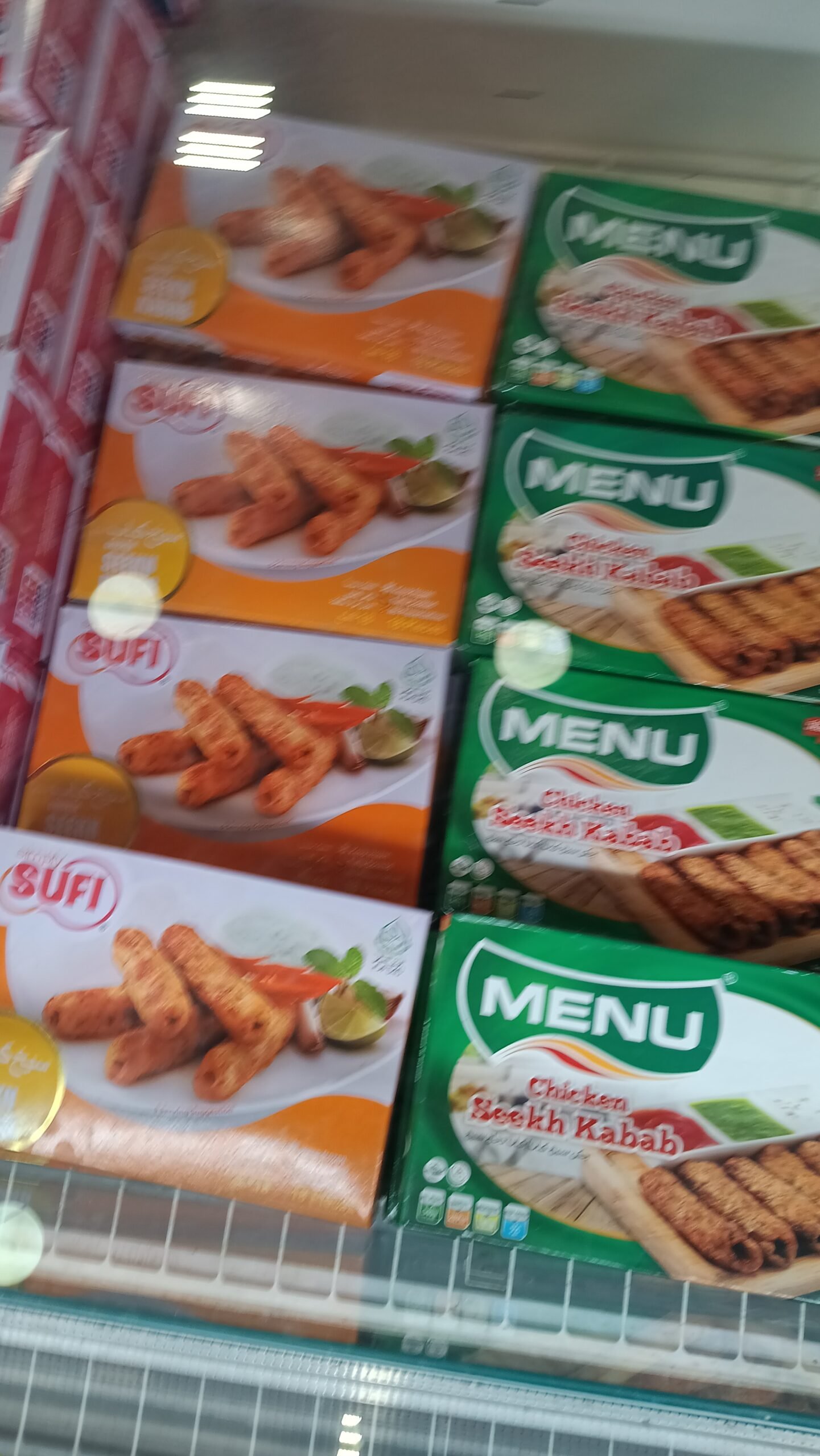
Walk into any Karachi supermarket and the freezer aisle greets you with a colorful mosaic: purple shrimp bags, red kabab boxes, orange Sufi packs, and green MENU cartons stacked neatly. These aren’t just products — they’re cultural snapshots. Frozen food represents convenience, globalization, and adaptation to modern urban life. For families balancing work, traffic, and limited time, the freezer has become a lifeline.
The Rise of Frozen Food in Urban Life
Urban living reshapes eating habits. In Karachi, where traffic jams and long workdays dominate, frozen meals offer speed without sacrificing flavor. Seekh kababs, shrimp, and ready‑to‑eat curries allow families to enjoy traditional tastes with modern convenience.
Frozen food is not just about saving time — it’s about continuity of culture. A kabab grilled in minutes still carries the spices of tradition. Shrimp packs allow seafood lovers to cook without worrying about freshness. Instant curries let students and workers enjoy home‑style meals even in hostels or late‑night apartments.
Branding and Packaging: A Competitive Landscape
Your uploaded photos show K&N’s, Sufi, MENU, and other brands competing for attention.
- K&N’s Seekh Kabab Family Pack: Red boxes with bold branding emphasize quantity and “all natural chicken.” The promise of 31–37 pieces appeals to families.
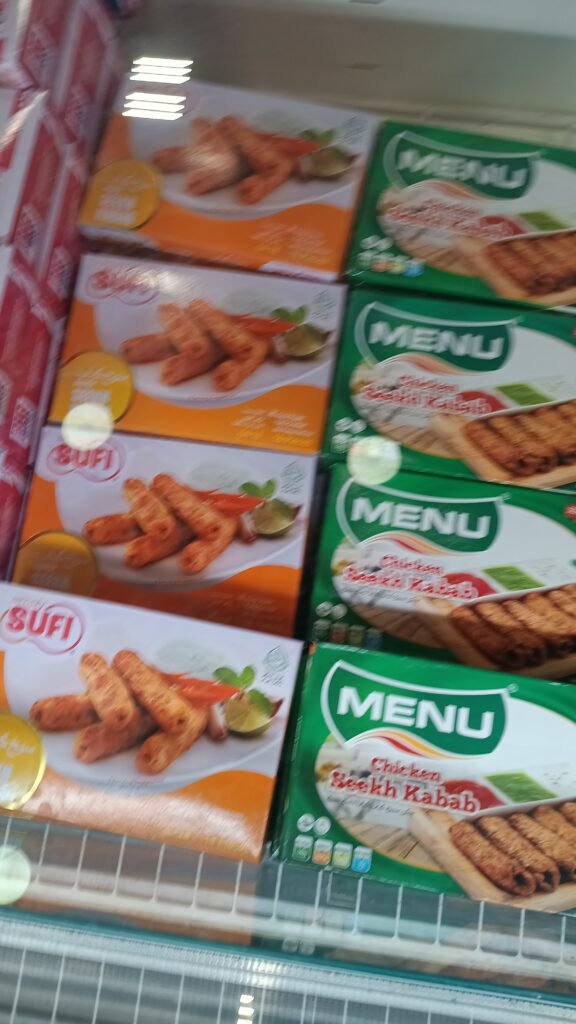
- Sufi Kababs: Orange packaging highlights spice and garnish, appealing to tradition and flavor.
- MENU Kababs: Green boxes with sleek design, targeting modern consumers who want convenience with style.
- Yellow Kabab Boxes: Bright colors and “Quality Inside” slogans emphasize authenticity and traditional spice blends.
Packaging is psychology. Bright colors signal freshness, while Urdu text connects with local identity. The freezer becomes a battlefield of brands, each vying for consumer loyalty.
Globalization in the Freezer
Frozen shrimp bags and Asian‑branded instant meals show how global supply chains reach Karachi. Imported products sit beside local kababs, reflecting a blend of cultures. This mix illustrates how frozen food is both global and local — sushi rolls may share space with seekh kababs.
Globalization also changes consumer expectations. Shoppers now demand variety: seafood, pizzas, dumplings, and kababs all in one aisle. The freezer becomes a passport to global cuisine.
Tradition Meets Convenience
Seekh kababs are traditionally grilled fresh, but frozen versions adapt them for modern life. Families can now serve kababs in minutes, maintaining cultural flavor while saving time. This balance between tradition and convenience defines frozen food culture.
Frozen food doesn’t erase tradition — it preserves it in a new form. The spices remain authentic, the garnishes familiar, but the process is faster. It’s culture adapted for survival in urban rhythms.
The 9 pm Law and Frozen Food Demand
The new law requiring shops to close by 9 pm (except food outlets) indirectly boosts frozen food sales. With less time for late‑night shopping, families stock up earlier. Frozen meals become a safety net — quick dinners after shops close.
Food shops remain open, but frozen products allow households to avoid late trips. This law strengthens the freezer’s role in urban kitchens. It also shifts consumer behavior:
- Families plan weekly freezer stock‑ups.
- Students rely on frozen meals after late classes.
- Workers keep kababs and shrimp packs for quick dinners.
Consumer Behavior: Why Frozen Works
Frozen food thrives because it meets urban needs:
- Time Efficiency: Quick meals for busy families.
- Consistency: Standardized taste across batches.
- Safety: Packaged and preserved, reducing spoilage.
- Affordability: Bulk packs like K&N’s Family Pack offer value.
Consumers trust frozen food because it delivers reliability. In a city where fresh produce may vary, frozen meals guarantee taste and quality.
Cultural Identity in Frozen Food
Frozen kababs are more than convenience — they are cultural identity preserved. The Urdu text, spice blends, and garnish images remind consumers of tradition. Buying frozen kababs is not abandoning culture; it’s adapting it.
Frozen food also democratizes cuisine. A student in a hostel can enjoy kababs once reserved for family dinners. A busy mother can serve shrimp curry without visiting the fish market. Culture becomes accessible through the freezer.
Comparisons with Other Cities
Karachi’s frozen food culture can be compared with:
- Dubai: Freezers emphasize international brands, polished packaging, and luxury meals.
- Mumbai: Similar kabab and curry packs, but stronger influence from street food culture.
- London: Frozen aisles dominated by pizzas, fries, and Western meals.
Karachi’s uniqueness lies in its blend: traditional kababs beside global imports. It’s raw, authentic, and adaptive.
Symbolism of Packaging and Lights
The freezer aisle is not just commerce — it’s symbolism. Bright packaging reflects aspiration. Urdu text signals cultural pride. Global logos show integration. Together, they create a mosaic of identity.
Voices of the Freezer
Imagine:
- A student grabbing frozen kababs for midnight study sessions.
- A mother stocking shrimp packs for quick curries.
- A vendor explaining how the 9 pm law increased frozen food demand.
These voices humanize the freezer. They remind us that frozen food is not abstract — it’s lived experience.
Conclusion: The Freezer as Culture
Frozen food aisles are not just about convenience — they are cultural archives. Kababs, shrimp, and instant meals reflect how Karachi balances tradition with modern life. The new 9 pm law makes frozen food even more central, ensuring families can adapt to changing rhythms.
Frozen food is not a compromise; it is a continuation of culture in modern form.
Join the Conversation: What frozen food item best represents your city’s identity?
“From busy streets to freezer aisles, Karachi’s rhythms extend into food culture.”
🔗 Related Reads
If you enjoyed this look at frozen staples, explore more from our site — Tandoori Chicken Recipe and Urban Street Life — for fresh perspectives across recipes and lifestyle.
About the News Rug Team The News Rug Team is a collective of contributors passionate about exploring everyday life through food, culture, and urban storytelling. From fresh produce markets to frozen food innovations, from traditional recipes to the pulse of city streets, our writers bring humanized insights that connect readers to both local and global experiences.
We focus on:
- Food & Recipes: Creative, approachable dishes that blend tradition with modern convenience.
- Urban Life: Capturing the rhythms of city streets, commerce, and culture.
- Analysis & Insights: Clear, reader‑friendly articles optimized for engagement and accessibility.
📸 Follow News Rug for more stories that celebrate food, flavor, and the everyday rhythms of urban living.