🥬 Cabbage: The Humble Vegetable With Global Stories
Introduction: More Than Just a Leafy Green
Cabbage may look simple — round, pale green, tightly packed leaves — but it carries centuries of tradition, nutrition, and culture. From market stalls in Karachi to sauerkraut barrels in Germany, cabbage is a vegetable that connects kitchens across the world. It’s affordable, versatile, and deeply woven into everyday life.
Food for Thought: When you see a pile of cabbages in the market, do you think of health, tradition, or recipes?
Market Identity: Abundance in Crates
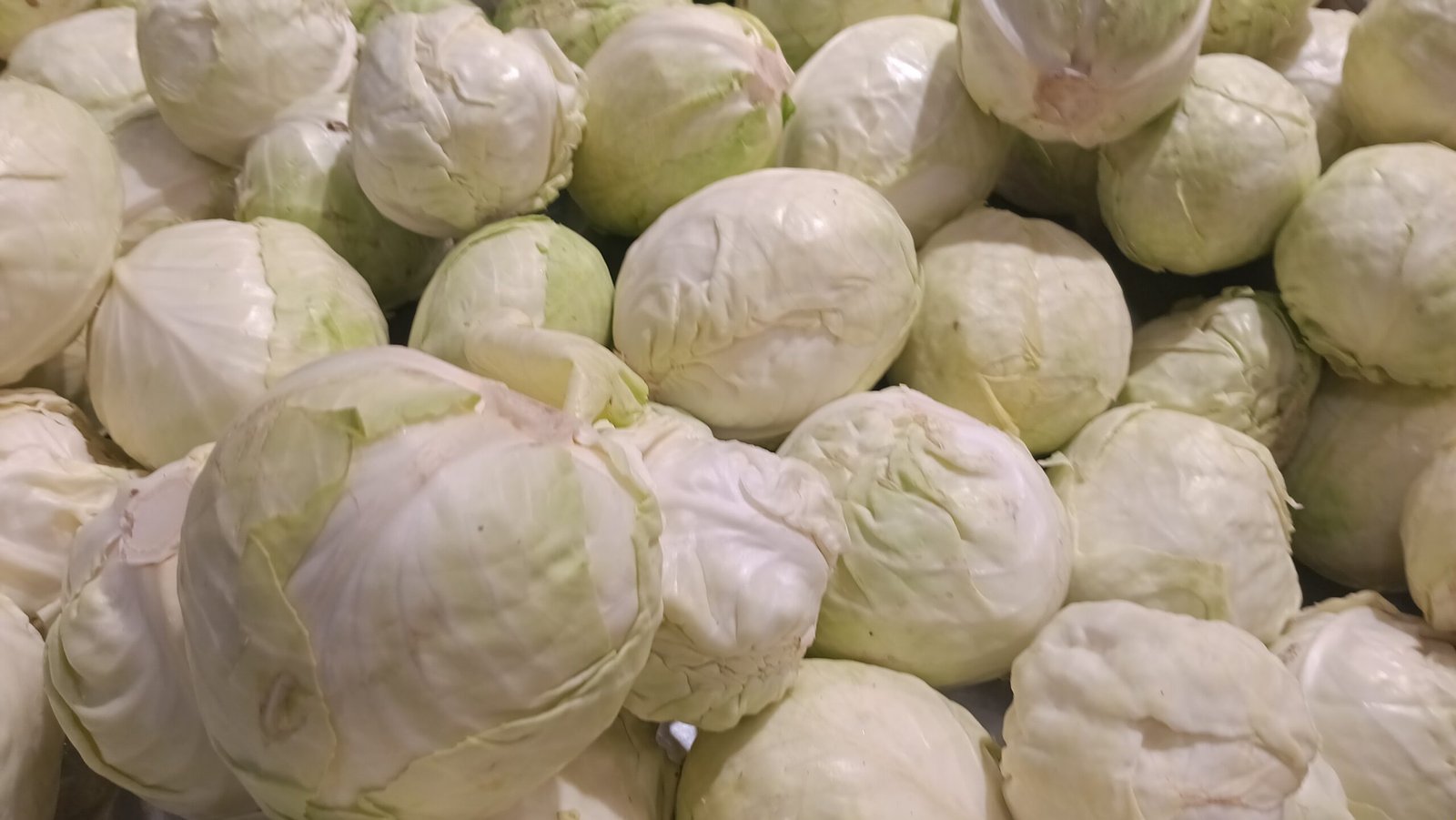
Walk through any busy market and you’ll see cabbages stacked high, sometimes in wooden crates, sometimes piled directly on the ground. This abundance reflects its role as a staple food. Unlike exotic fruits or luxury items, cabbage is everyday nourishment.
In Karachi’s Empress Market, vendors often display cabbages alongside carrots, turnips, and spinach — a reminder that these humble vegetables form the backbone of family meals. The sight of cabbages piled together conveys reliability: you know they’ll be there, season after season.
Reader Reflection: Do you prefer buying vegetables in bulk from markets or picking them individually at grocery stores?
Nutritional Powerhouse
Cabbage is often underestimated, but nutritionally it’s a powerhouse.
- Low in calories, high in fiber: Perfect for digestion and weight management.
- Rich in Vitamin C: Boosts immunity and skin health.
- Vitamin K: Supports bone strength and blood clotting.
- Antioxidants: Help fight inflammation and chronic disease.
💡 Quick Fact: Fermented cabbage (like kimchi or sauerkraut) adds probiotics, making it even more beneficial for gut health.
Cultural Uses Around the World
Cabbage adapts beautifully to different cuisines:
- South Asia: Stir‑fried with spices into a quick curry, often paired with chapati.
- Europe: Sauerkraut and stuffed cabbage rolls are iconic comfort foods.
- East Asia: Kimchi, Korea’s national dish, is built on fermented cabbage.
- Middle East: Cabbage leaves wrap rice and meat, creating hearty dolma.
This diversity shows how one vegetable travels across cultures, absorbing flavors and traditions.
Join the Conversation: Which cabbage dish feels most familiar to you — curry, kimchi, or rolls?
Recipes and Everyday Cooking
Cabbage is versatile:
- Raw: Shredded into salads and coleslaw.
- Cooked: Stir‑fried, steamed, or braised.
- Fermented: Sauerkraut, kimchi, pickles.
- Stuffed: Rolled with rice, meat, or lentils.
Its mild flavor allows it to absorb spices, sauces, and seasonings, making it a canvas for creativity.
Try This: Add shredded cabbage to fried rice or noodles for crunch and nutrition.
Cabbage in Urban Life
In cities, cabbage is more than food — it’s part of the rhythm of daily life. Vendors stack it in markets, restaurants use it in salads, and households cook it in curries. Its presence in both street stalls and supermarkets shows how it bridges traditional and modern lifestyles.
Think of a busy Karachi street: crates of cabbage beside global fast food outlets. That contrast — traditional produce next to modern dining — is the essence of urban food culture.
Historical Roots
Cabbage has been cultivated for thousands of years. Ancient Greeks and Romans valued it for medicinal properties. In medieval Europe, it was a staple during harsh winters. In Asia, it became central to fermentation traditions. Its resilience and adaptability made it a survival food across civilizations.
Modern Health Trends
Today, cabbage is celebrated in health circles. Nutritionists recommend it for detox diets, weight loss plans, and gut health. Smoothies and salads often feature raw cabbage for crunch and nutrients. Fermented cabbage has gained popularity in wellness communities for its probiotic benefits.
Conclusion: The Humble Hero
Cabbage may not be glamorous, but it’s essential. It nourishes families, adapts to cultures, and tells stories of abundance and resilience. From curries to kimchi, it proves that even the simplest vegetables can carry global significance.
Join the Conversation: What’s your favorite way to cook or eat cabbage?
“From market crates to busy streets, explore how food shapes urban culture.”

About the News Rug Team The News Rug Team is a collective of contributors passionate about exploring everyday life through food, culture, and urban storytelling. From fresh produce markets to frozen food innovations, from traditional recipes to the pulse of city streets, our writers bring humanized insights that connect readers to both local and global experiences.
We focus on:
- Food & Recipes: Creative, approachable dishes that blend tradition with modern convenience.
- Urban Life: Capturing the rhythms of city streets, commerce, and culture.
- Analysis & Insights: Clear, reader‑friendly articles optimized for engagement and accessibility.
📸 Follow News Rug for more stories that celebrate food, flavor, and the everyday rhythms of urban living.