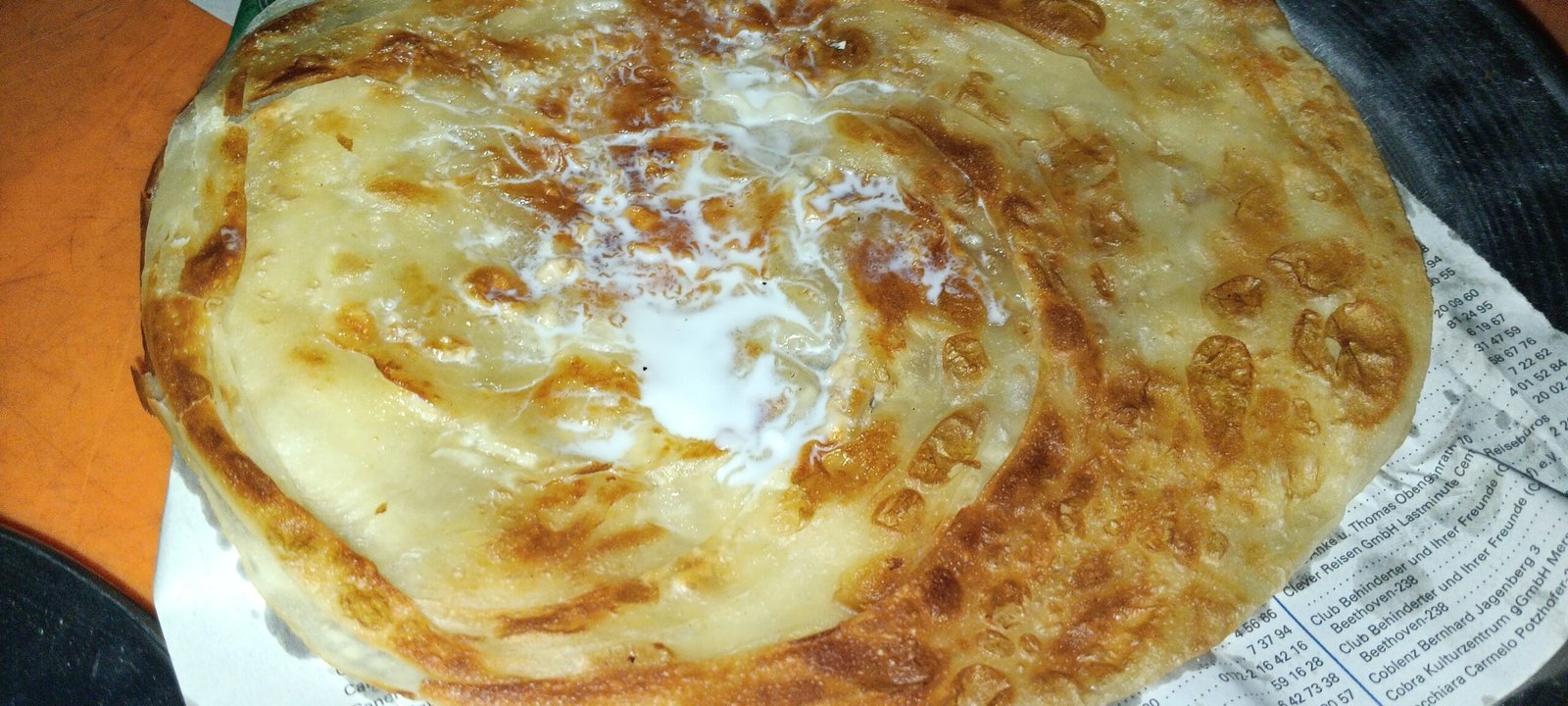
Introduction to the Local Restaurant
Nestled in the heart of the city, this local restaurant is a cherished establishment that captures the essence of traditional dining experiences. Known for its warm hospitality and authentic cuisine, the restaurant attracts both locals and visitors alike, eager to savor the rich flavors that reflect the region’s culinary heritage.
The restaurant’s ambiance is a harmonious blend of rustic charm and contemporary design. The interior features traditional decor elements, including intricately carved wooden furniture, warm lighting, and vibrant artwork that celebrates local culture. This inviting atmosphere encourages patrons to linger and enjoy their meals, creating the perfect backdrop for enjoying dishes like chai, pratha, and malai.
Conveniently located on a bustling street, the restaurant is easily accessible, making it a popular meeting point for friends and families. Its proximity to local markets and landmarks further enhances its appeal, as visitors often stop by to indulge in some of the finest local delicacies after a day of exploration.
As one of the go-to spots for traditional food lovers, this restaurant has solidified its reputation through its commitment to quality and authentic cooking methods. The chefs are adept at using time-honored recipes and locally sourced ingredients, ensuring that every dish served is a true taste of home. Patrons return time and again, drawn by the comforting flavors and the sense of community that permeates the restaurant.
Overall, this local restaurant stands as a testament to the region’s rich culinary traditions, offering a delightful experience that keeps customers coming back for more. Those seeking an authentic taste of local culture will find it hard to resist this inviting establishment, where every meal tells a story and every sip of chai brings a sense of nostalgia.
The Art of Brewing Chai
Chai, widely cherished across various cultures, particularly in South Asia, is much more than a beverage; it symbolizes hospitality and social connection. The art of brewing chai, which translates to tea in Hindi, incorporates a delicate balance of ingredients and technique. Central to this beloved drink are black tea leaves, which are typically the base. Assorted spices such as cardamom, cinnamon, ginger, and cloves can be added to enhance the flavor, creating what is often referred to as masala chai.
The brewing process begins with boiling water and adding the tea leaves, allowing them to steep and release their rich flavors. Depending on regional preferences, spices may be added at this stage or allowed to simmer separately. A crucial step is the addition of milk, which not only enriches the chai but also creates a creamy texture. Many recipes call for whole milk, while others may utilize plant-based alternatives to cater to diverse consumer preferences.
As the chai simmers, it is common to sweeten the mixture with sugar or alternative sweeteners, achieving a comforting balance of flavors. The longer the tea is allowed to brew and the more it is agitated, the stronger the characteristics become, providing a robust fusion of spices and tea. Once brewed, chai is typically strained into cups, leaving behind the remnants of leaves and spices.
Chai holds cultural significance beyond mere consumption. It serves as a focal point for gatherings, be it a casual chat with friends or a warm offering during festivities. Sharing a cup of chai fosters connections, emphasizing its role as a social catalyst. Thus, perfecting the art of brewing chai is not just about the technicalities of preparation, but also about understanding its place in community and tradition.
Exploring the Deliciousness of Pratha
Pratha is a type of unleavened flatbread that holds a cherished place in various culinary traditions, particularly in South Asian cuisines. Renowned for its flaky texture and rich flavor, pratha is a versatile staple that can be enjoyed at any meal, whether for breakfast, lunch, or dinner. The preparation of pratha involves a simple yet skillful process that starts with whole wheat flour, blended with water and a hint of salt to form a dough. This dough is then kneaded until it reaches a smooth consistency, providing the base for what becomes a delightful flatbread.
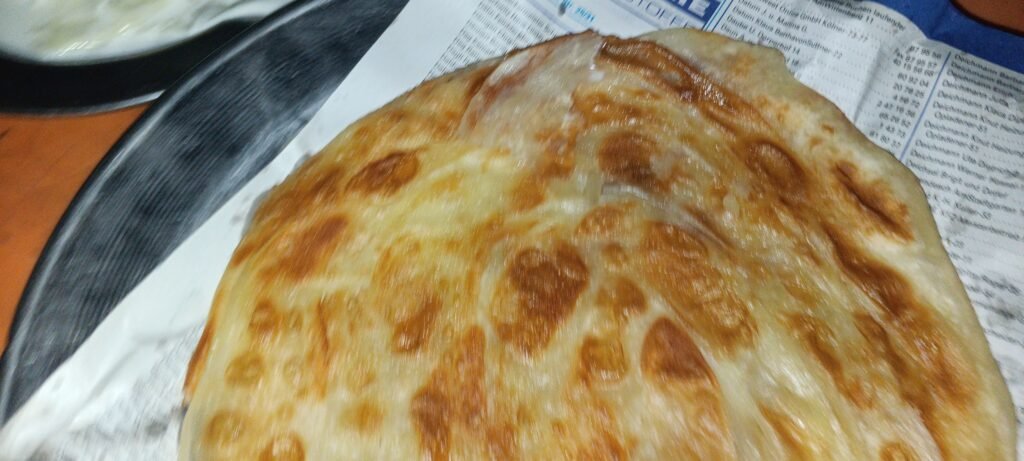
One of the defining characteristics of pratha is its method of cooking. After the dough is rolled out into circular shapes, it is often brushed with ghee or oil before being folded multiple times, creating layers that contribute to its flaky texture. The final step involves pan-frying the pratha on a hot skillet, where it puffs up beautifully and achieves a golden-brown crust. The result is a deliciously crisp exterior, while the interior remains soft and chewy, making each bite a pleasurable experience.
Pratha can be served in various ways, making it a versatile addition to any meal. It pairs exceptionally well with chai, as the warm spices and sweetness of the tea beautifully complement the earthy flavors of the flatbread. For a more indulgent approach, pratha can be enjoyed alongside malai, a creamy and rich dairy product that enhances the overall taste profile. Furthermore, pratha can be stuffed with fillings such as potatoes, paneer, or spinach, further enhancing its culinary appeal. Such variations not only highlight the adaptability of pratha but also exemplify how it remains a beloved element in local delicacies.
The Creamy Delight of Malai
Malai, a rich and creamy dairy product, is renowned for its luscious texture and can be found in a variety of culinary applications. Traditionally, malai is created by simmering milk, allowing the cream to rise and be skimmed off the top. This process results in a thick, velvety cream that has a distinct rich flavor profile, rendering it an ideal ingredient for both desserts and savory dishes.
In many South Asian cuisines, malai is celebrated for its versatility. It is often employed in the preparation of sweets such as kheer and gulab jamun, adding an extra layer of indulgence to these beloved delicacies. Beyond desserts, malai is also used to prepare creamy sauces, enhancing the flavor of dishes such as butter chicken and paneer makhani. Its creamy consistency not only elevates the richness of these meals but also balances spices, providing a delightful mouthfeel.
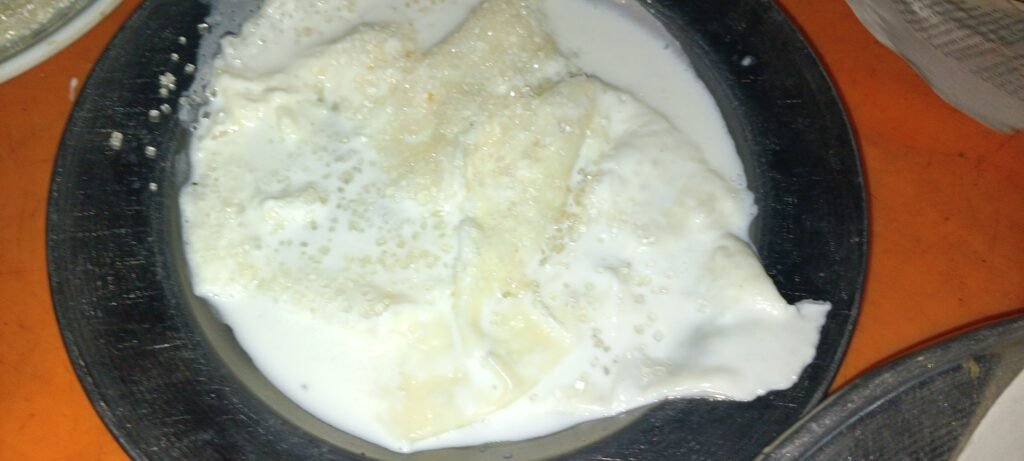
A popular way to enjoy malai is alongside pratha, a flaky, layered flatbread that is a staple in many households. The soft, buttery texture of pratha pairs beautifully with the richness of malai, creating a combination that is both satisfying and delicious. When served together, malai can be dolloped generously on warm pratha, allowing its flavor to seep in and infuse the bread with a creamy delight. The result is a comforting dish that can be enjoyed as breakfast or a late-night snack.
Ultimately, malai not only enhances the taste of dishes but also contributes to the overall dining experience. Its delightful creaminess makes it an essential component in many traditional recipes, bringing an element of indulgence that is hard to resist. By incorporating malai into your culinary repertoire, you can elevate simple meals into extraordinary ones, highlighting its indispensable role in enriching flavor profiles.
Combining Flavors: Pratha with Malai
The pairing of pratha and malai is a culinary experience that delights the senses, offering a blend of contrasting flavors and textures that enhances the overall enjoyment of each. Pratha, a flaky and buttery flatbread, is widely cherished for its crisp exterior and soft, warm interior. When combined with malai, the rich cream derived from milk, this dish elevates an otherwise simple bread into a luxurious treat. The creamy texture of malai contrasts beautifully with the crispiness of pratha, creating a balanced mouthfeel that is both satisfying and indulgent.
Malai, rich in taste, complements pratha not only through its texture but also by enriching its flavor profile. The warmth of the pratha allows the malai to melt slightly, creating a harmonious blend that coats the bread with a sumptuous creaminess. This combination is often enhanced with a sprinkle of sugar or a drizzle of honey, adding a subtle sweetness that rounds out the flavors perfectly. For an exceptional experience, one might consider serving this dish alongside a fragrant cup of chai, as the warmth and spices in the tea will further accentuate the delightful flavors of the pratha with malai.
To enjoy this delectable pairing to its fullest, one should aim to serve the pratha hot, allowing the malai to seamlessly blend with the bread. Additionally, breaking off a piece of pratha and dipping it into the malai not only enhances the tactile experience but also allows one to savor the differing temperatures and textures more fully. For those who seek variety, experimenting with flavored malai, such as cardamom or saffron-infused, can elevate the dish into a unique culinary excursion. The versatile nature of this pairing makes it suitable for any meal, whether as a comforting breakfast or a lavish dessert option.
Adding Sweetness: The Role of Sugar
In the culinary world, the balance of flavors plays a critical role in enhancing the overall dining experience. When it comes to traditional local delicacies, particularly malai, the addition of sugar is a noteworthy aspect that many enjoy. Malai, a rich and creamy element derived from milk, serves as a perfect canvas for sweetening that can elevate its flavor intensity and appeal.
One of the primary reasons why sugar is often added to malai is to create a harmonious blend of sweetness that complements its creamy texture. The infusion of sugar transforms malai from a simple component into a delightful treat, enhancing its intrinsic flavors. The interplay between the creaminess of malai and the sweetness of sugar creates a balanced profile that caters to a wide range of palates, ultimately making it a favored addition for many.
Furthermore, sugar plays a psychological role in the enjoyment of food. It can evoke a sense of comfort and nostalgia, making dishes like sweetened malai incredibly appealing. This effect is particularly potent in cultures where sweetened versions of foods are prevalent. For many, the act of consuming sugar-laden malai is not just about taste; it’s also about the emotional connections that arise from familiar flavors.
Additionally, sweetness can enhance the overall sensory experience of a meal. Coupled with the richness of chai or the crispy texture of pratha, sweetened malai rounds out a delightful feast. The contrast of flavors not only tantalizes the taste buds but also engages all the senses, making the dining experience truly memorable. The inclusion of sugar in malai is not merely a matter of preference; it significantly contributes to our appreciation of these cherished local delights.
The Experience of Dining Out
Dining out is not solely about the food; it encompasses the entire experience, often beginning the moment one steps into the restaurant. The atmosphere of the establishment plays a crucial role in setting the tone for the meal, inviting guests to indulge in culinary delights. As patrons enter a well-crafted space, they are greeted by an inviting ambiance characterized by warm lighting, pleasant aromas, and possibly a touch of music that harmonizes with the overall vibe.
The service received can greatly enhance this dining experience. Staff members who are attentive yet unobtrusive help create an environment where guests can feel relaxed and focused on savoring each dish. Knowledgeable servers provide insightful recommendations, whether it’s about the perfect pairing of chai with pratha or the right moment to indulge in the richness of malai. A welcoming demeanor from the staff not only showcases professionalism but also establishes a connection that makes the experience memorable.
Moreover, the synergy between the ambiance and service is integral to accentuating the flavors of the local delicacies served. The presentation of each dish echoes the restaurant’s commitment to quality and authenticity, reinforcing the charm of local culture. This harmonious blend of service and setting encourages diners to linger, fostering conversations over steaming cups of chai and freshly made pratha. Ultimately, the experience of dining out is a tapestry woven from the elements of atmosphere, service, and the culinary artistry on display, making it a cherished component of one’s culinary journey.
Cultural Significance of the Meal
The meal that incorporates chai, pratha, and malai is steeped in rich cultural significance, epitomizing the culinary heritage of many local communities. This combination is not merely a meal; it acts as a bridge connecting families across generations. Traditionally, these items serve as focal points during family gatherings, providing a platform for bonding and interaction.
Chai, with its spiced warmth, is often more than just a beverage; it symbolizes hospitality. Serving chai to guests is a customary practice, showcasing the host’s welcoming nature. The act of brewing tea becomes communal, with family members or friends coming together to share a moment, whether it is during mundane mornings or festive celebrations. This beverage is integral to socializing, making it a staple in various social settings.
Pratha, a type of flatbread, also carries its own cultural weight. This dish is often cooked during special occasions and functions as a comfort food enjoyed by many. Its versatility—being paired with different accompaniments—allows it to reflect the regional variations found across the community. The preparation and enjoyment of pratha often become a family affair, further deepening social ties.
Lastly, malai, or cream, adds a layer of indulgence to these gatherings. When drizzled over pratha or served alongside chai, it elevates the meal, making it suitable for celebrations and everyday dining alike. Moreover, the inclusion of malai highlights the significance of dairy in many local cuisines, representing agricultural practices and local produce.
Thus, the convergence of chai, pratha, and malai in cultural traditions does more than satisfy hunger; it reinforces familial bonds, celebrates hospitality, and sustains communal values through shared culinary experiences.
Conclusion: A Memorable Experience
Dining at a local restaurant and indulging in traditional offerings such as chai, pratha, and malai offers a flavorful journey into culinary heritage. Such an experience is not merely about sustenance but an exploration of the rich tapestry of local flavors. Each sip of chai tells a story, infused with aromatic spices and brewed to perfection, making it a comforting start to the meal. The pratha, with its flaky texture and crispy layers, serves as the perfect accompaniment, enhancing the overall enjoyment of the dining experience.
The creamy malai, with its richness, provides a delightful contrast to the savory elements of the meal, rounding off the experience on a sweet note. Together, these dishes create a symphony of tastes and textures that celebrate the essence of local cuisine. This trio of delicacies is not simply food; it is a cultural event that reflects the warmth and hospitality of the region.
For those contemplating an unforgettable culinary adventure, a visit to this local gem is highly recommended. The vibrant atmosphere combined with the exquisite flavors guarantees a memorable dining occasion. Whether you are a connoisseur of local food or a curious traveler, indulging in chai, pratha, and malai will enrich your palate and provide insights into the local lifestyle.
In light of the unforgettable flavors and experiences offered, it is clear that this combination of dishes deserves a place on every food lover’s itinerary. The joy of sampling these local delicacies awaits, making a trip to the restaurant a must for anyone eager to immerse themselves in the culinary delights of the area.
📚 Related Reads
Hungry for more? Explore Frozen Food Culture and Karachi Nightlife & Urban Rhythms to see how tradition and modern convenience shape the city’s identity.

Founder of What Buy & Author of “Diplomacy on the Edge.” Durrani writes about education, creativity, and digital entrepreneurship. His mission: helping students learn smarter and earn better.
Follow me on:
Facebook |