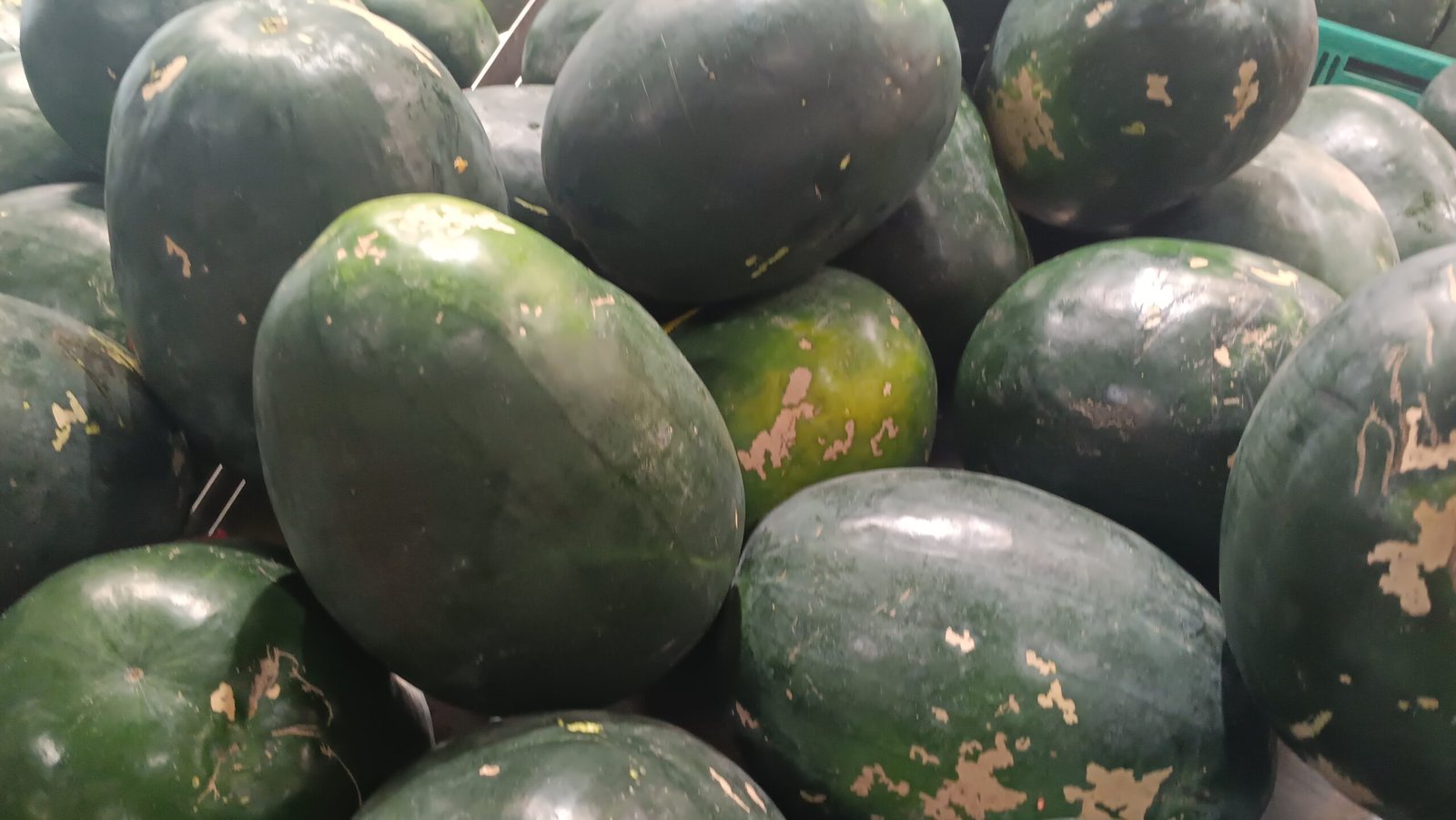
Watermelon: A Refreshing Delight
Watermelon, a quintessential summer fruit, is cherished for its thirst-quenching properties and vibrant flavor. Known scientifically as Citrullus lanatus, this refreshing delight has gained immense popularity across various cultures, marking its significance during warm months and festive occasions. With roots tracing back to ancient civilizations in Africa, watermelon has evolved over the centuries into a universally loved treat.
The appeal of watermelon lies not only in its juicy texture and sweet taste but also in its versatility. It can be enjoyed in numerous ways, whether consumed fresh, juiced, or incorporated into salads and desserts. The crisp, succulent flesh and the delightful contrast of its bright red pulp against the green rind make watermelon a visually appealing addition to any summer gathering. Traditionally, this fruit symbolizes summer, gatherings, and celebrations, often associated with picnics and barbecues, thus holding a special place in the hearts of many.
Nutritionally, watermelon is a powerhouse of hydration and health benefits. Comprising approximately 92% water, it is an excellent source of hydration, making it an ideal choice for hot days. Additionally, watermelon is low in calories and contains valuable nutrients such as vitamins A, C, and B6, as well as essential antioxidants like lycopene, which contribute to overall health. The fruit’s natural sweetness also serves as a healthier alternative to sugary snacks, promoting a balanced diet.
In essence, watermelon stands as a symbol of summer enjoyment, blending cultural significance, delightful flavor, and health benefits, making it a staple on tables worldwide during the warmer months.
History of Watermelon Cultivation
The cultivation of watermelon (Citrullus lanatus) has a rich and extensive history that dates back thousands of years. Originally believed to have its roots in the regions of Africa, the wild ancestors of watermelon were discovered in the Kalahari Desert. Archaeological findings suggest that watermelon seeds were found in ancient Egyptian tombs dating back to around 4000 B.C. This indicates that watermelon was not only cultivated during this time but also held cultural significance, often depicted in ancient artwork.
As trade routes expanded, watermelons were introduced to different parts of the world. By the 10th century, they made their way to the Mediterranean regions, where they swiftly gained popularity. The spread of watermelon continued during the Middle Ages, and by the 17th century, seeds were transported to the Americas by European colonists. In this new environment, watermelon flourished, adapting well to the diverse climates found across North America.
The evolution of watermelon cultivation can be observed through the different varieties that have emerged over time. Initially, watermelons were small and had a more complex flavor than today’s sweet and juicy varieties. Advances in agricultural techniques and selective breeding have led to the development of seedless varieties and those exhibiting a range of skin colors and flesh types. These innovations emphasize the adaptability of watermelon in meeting consumer preferences and the cultivation practices evolving with human needs.
Watermelon has maintained its significance beyond mere sustenance; it plays a vital role in various cultural traditions and celebrations worldwide. In many cultures, it represents hospitality and summer festivities, while in others, it symbolizes wealth and prosperity. From ancient Egypt to modern farming practices, the historical journey of watermelon cultivation demonstrates its enduring relevance in agriculture and society.
The Journey from Farm to Market: Harvesting Watermelon
The process of harvesting watermelon is a meticulous endeavor that underscores the labor and expertise of farmers dedicated to producing high-quality fruit. Timing is crucial in this process; watermelons are typically harvested during the warm summer months when they reach peak ripeness. Farmers rely on a combination of visual cues and sensory tests, such as thumping the melon to assess sound, which indicates its readiness. A ripe watermelon will resonate with a deep hollow sound, suggesting its juiciness and flavor profile are well-developed.
Techniques for harvesting require significant skill to avoid damaging the fruit. Farmers often use specialized tools, such as sharp knives or scissors, to cut the stem cleanly without harming the melon or the surrounding plants. This careful method ensures that the watermelons can endure transportation without bruising, allowing them to maintain their freshness and appeal. Additionally, farmers pay close attention to the coloration of the fruit’s skin; a uniform, vibrant green hue and a well-defined spot where the melon rested on the ground signal that it is ready for collection.
The labor involved in harvesting watermelon is intensive. It typically requires a team of skilled laborers who work together, often under the hot sun, to gather thousands of watermelons in a short timeframe. This team effort is vital as watermelons have a relatively short window for optimal harvest condition. Hence, organization and proficiency are emphasized on the farm, ensuring that each piece of fruit is handled with the utmost care. This dedication is not only essential for the quality of the produce but also acts as a reflection of the farmer’s commitment to sustainable agriculture and the local community.
Packaging Watermelon: The Role of Crates
Packaging plays a crucial role in the distribution and marketing of fresh produce, particularly watermelons. Utilizing crates for watermelon packaging not only facilitates the efficient transportation of these large fruits but also ensures their protection, quality, and freshness during the supply chain process. The importance of strategic packaging cannot be overlooked, as it significantly impacts both the consumer experience and the overall market viability of the product.
Watermelons are sensitive to bruising and damage, which can occur during handling and transportation. Crates are designed to provide structural support while allowing for adequate airflow around the fruit, thereby reducing the risk of spoilage and maintaining optimal freshness. The ventilation provided through the crate design helps prevent moisture accumulation, a key factor in the preservation of watermelon quality. Consequently, this packaging method is not only about convenience; it ensures that watermelons arrive at their destination in prime condition, ready for consumption.
The materials used in the construction of crates are also vital for effective watermelon packaging. Most crates are made from durable, lightweight materials such as plastic or wood, which are crafted to withstand the rigors of transport and handling. Plastic crates are increasingly popular due to their resistance to moisture and ease of cleaning, while wooden crates offer a traditional solution with added strength. Both materials are designed to be reusable, aligning with sustainable practices in the agricultural sector.
In summary, the use of crates for watermelon packaging is critical in preserving the fruit’s integrity throughout its journey from farm to consumer. The right packaging not only safeguards the produce but also enhances its shelf life, ultimately contributing to a successful market presence and happy consumers.
Benefits of Using Crates for Transportation
Transporting watermelons efficiently is paramount to maintaining their quality and ensuring they reach consumers in optimal condition. Using crates for this purpose has emerged as a preferred method among growers and distributors. One significant advantage of crates is their ability to enhance efficiency during both loading and unloading processes. Crates are designed to stack securely, allowing for maximized use of space within transport vehicles. This stacking capability not only optimizes the load but also facilitates quicker handling, which is particularly beneficial in busy operational settings.
Moreover, crates significantly reduce the spoilage rate of watermelons compared to traditional methods such as loose packing or unstructured bins. Watermelons are delicate fruits that require careful handling; using rigid crates provides essential protection against bruising and damage during transit. Enhanced airflow created by the design of crates allows watermelons to maintain their freshness, reducing the likelihood of mold growth or temperature-related spoilage.
Another advantage of crates relates to ease of handling. They offer better grip and can be easily lifted by forklifts or hand trucks, reducing the risk of injury for workers and streamlining the transportation process. In comparison to alternatives like plastic bags or cartons, crates are reusable and environmentally friendly, aligning with current sustainability practices. While cardboard boxes may offer some protection, they often fail to provide the same level of structural integrity and reusability as crates, leading to higher long-term costs.
In summary, the benefits of utilizing crates for transporting watermelons are manifold, encompassing efficiency, reduced spoilage rates, and improved handling capabilities. These advantages make crates an ideal choice for producers focused on quality and logistics in the marketplace.
The Watermelon Supply Chain: From Crate to Consumer
The journey of market fresh watermelons begins at the farm, where growers meticulously cultivate these juicy fruits. Once harvested, watermelons are packed into crates to ensure optimal protection during transportation. The initial link in the supply chain involves the farmers who monitor ripeness and select high-quality watermelons for crate packing.
After the initial packing, the role of distributors comes into play. Distributors are responsible for transporting these crates from the farms to various markets and retailers. They utilize a network of logistics providers who specialize in managing the intricate transportation processes. This stage often includes refrigerated transport to maintain the quality and freshness of the watermelons during transit.
Timing is critical in this supply chain, as watermelons have a limited shelf life. Typically, the journey from farm to consumer can take anywhere from a few days to a week, depending on the distance and efficiency of the logistics involved. After arriving at distribution centers, watermelons are sorted and organized for delivery to retail locations. Efficient inventory management ensures that consumers have access to the freshest produce available.
Retailers play a pivotal role by presenting watermelons at stores or farmers’ markets, where they are marketed to consumers. The exact location of purchase can vary, but ultimately the goal is to attract customers with appealing displays and promotions. Each player in this supply chain, from the farmer to the retailer, must work collaboratively to ensure that high-quality, market-fresh watermelons reach consumers in a timely manner, fostering a smooth flow from crate to consumer.
Marketing Watermelon: Creative Promotions and Trends
The marketing of watermelons has evolved significantly, utilizing various creative promotions and adapting to current trends to capture consumer interest. One prevalent strategy involves seasonal campaigns, especially during the summer months when demand surges. Marketers often emphasize the refreshing nature of watermelons, showcasing them as a staple for barbecues, picnics, and outdoor gatherings. This aligns with consumer behavior, as many seek hydrating and healthy options during warmer weather.
Social media has become a powerful tool for marketing fresh watermelons. Platforms like Instagram and TikTok allow brands to engage with consumers visually, sharing vibrant images and videos that highlight the fruit’s juicy appeal. Influencers and chefs often collaborate on these platforms, creating engaging content that includes recipes or innovative serving ideas. This engagement not only promotes the product but also fosters a community around healthy eating using watermelons.
Another significant trend in watermelon marketing is the focus on health and wellness. As consumers become increasingly health-conscious, campaigns that underscore the nutritional benefits of watermelons, such as their hydrating properties and high vitamin content, resonate well. Brands are leveraging this trend by incorporating health tips and fun facts into their marketing materials, thereby enhancing their appeal.
Moreover, creative packaging solutions also play a crucial role in watermelon promotions. Watermelons are often marketed in aesthetically pleasing crates, emphasizing freshness and quality. The presentation of watermelon products can influence purchasing decisions, making visually appealing packaging a trend that resonates with consumers looking for quality in their fresh produce.
Through the adoption of these innovative marketing strategies and staying attuned to evolving consumer preferences, businesses can effectively promote watermelons and ensure their products remain relevant in a competitive marketplace.
Sustainability Considerations in Watermelon Farming
Watermelon farming, while a popular agricultural pursuit, brings with it a range of environmental implications that necessitate careful consideration. The cultivation and transportation of watermelons require significant resources, making sustainable practices an essential focus for modern farmers. One impactful approach is organic farming, which emphasizes the absence of synthetic pesticides and fertilizers. By adopting organic methods, farmers can promote biodiversity, enhance soil health, and reduce chemical runoff into surrounding ecosystems. This transition not only mitigates environmental damage but also produces healthier fruit for consumers.
In addition to organic methods, the packaging used for transporting watermelons also plays a crucial role in sustainability. Traditional packaging materials often contribute to significant waste, exacerbating environmental challenges. Eco-friendly packaging solutions, such as biodegradable or recyclable materials, help reduce the carbon footprint associated with transportation. Implementing such practices not only aligns with consumer demand for sustainability but also fosters a more circular economy in agricultural practices.
Furthermore, reducing food waste is a critical consideration in sustainable watermelon farming. Approximately one-third of all food produced globally is wasted, leading to unnecessary resource expenditure in growing and transporting produce. By optimizing harvest techniques, employing better storage methods, and implementing efficient transportation logistics, farmers can ensure that more watermelons reach consumers rather than ending up in landfills. Educating consumers about proper handling and storage can also play a vital role in minimizing waste at the household level. The integration of sustainable practices in watermelon farming thus significantly enhances environmental stewardship and contributes to overall ecological balance.
Conclusion: The Future of Watermelon in the Market
Watermelon is not just a seasonal fruit but a staple in many cultures, making it a significant player in the global market. With its refreshing taste and high water content, watermelon has grown in popularity among health-conscious consumers. Looking ahead, the market for watermelon is poised for growth, driven by trends that emphasize health benefits and innovative marketing strategies.
As the demand for organic and sustainably farmed products continues to rise, watermelon producers may face challenges in adapting to new agricultural practices. Cultivating watermelon with a focus on sustainability will require innovations in farming techniques and water conservation methods. Furthermore, developing pest-resistant varieties can reduce chemical inputs, appealing to environmentally aware consumers.
The distribution of watermelon also presents opportunities for improvement. Modernizing logistics and supply chain processes can enhance the freshness and quality of watermelons upon reaching market shelves. Innovations in packaging, such as biodegradable and recyclable materials, can resonate well with a growing segment of eco-conscious buyers, extending the fruit’s shelf life while minimizing environmental impact.
As consumer preferences evolve, watermelon producers must be agile in responding to these changes. Seasonal marketing campaigns may be complemented by leveraging social media and e-commerce platforms to reach broader audiences. Collaborations with health and wellness influencers can further bolster the fruit’s image as a nutritious option during the hot summer months. Ultimately, the future of watermelon in the market is bright; its continued popularity hinges on adapting to challenges while embracing innovation. The inherent versatility and appeal of watermelon promise to keep it a favorite fruit for years to come.
Related Read: Curious about how frozen foods shape modern kitchens? Check out our article on Frozen French Fries in Bulk — a behind‑the‑scenes look at food service logistics and creative recipes.

Founder of What Buy & Author of “Diplomacy on the Edge.” Durrani writes about education, creativity, and digital entrepreneurship. His mission: helping students learn smarter and earn better.
Follow me on:
Facebook |