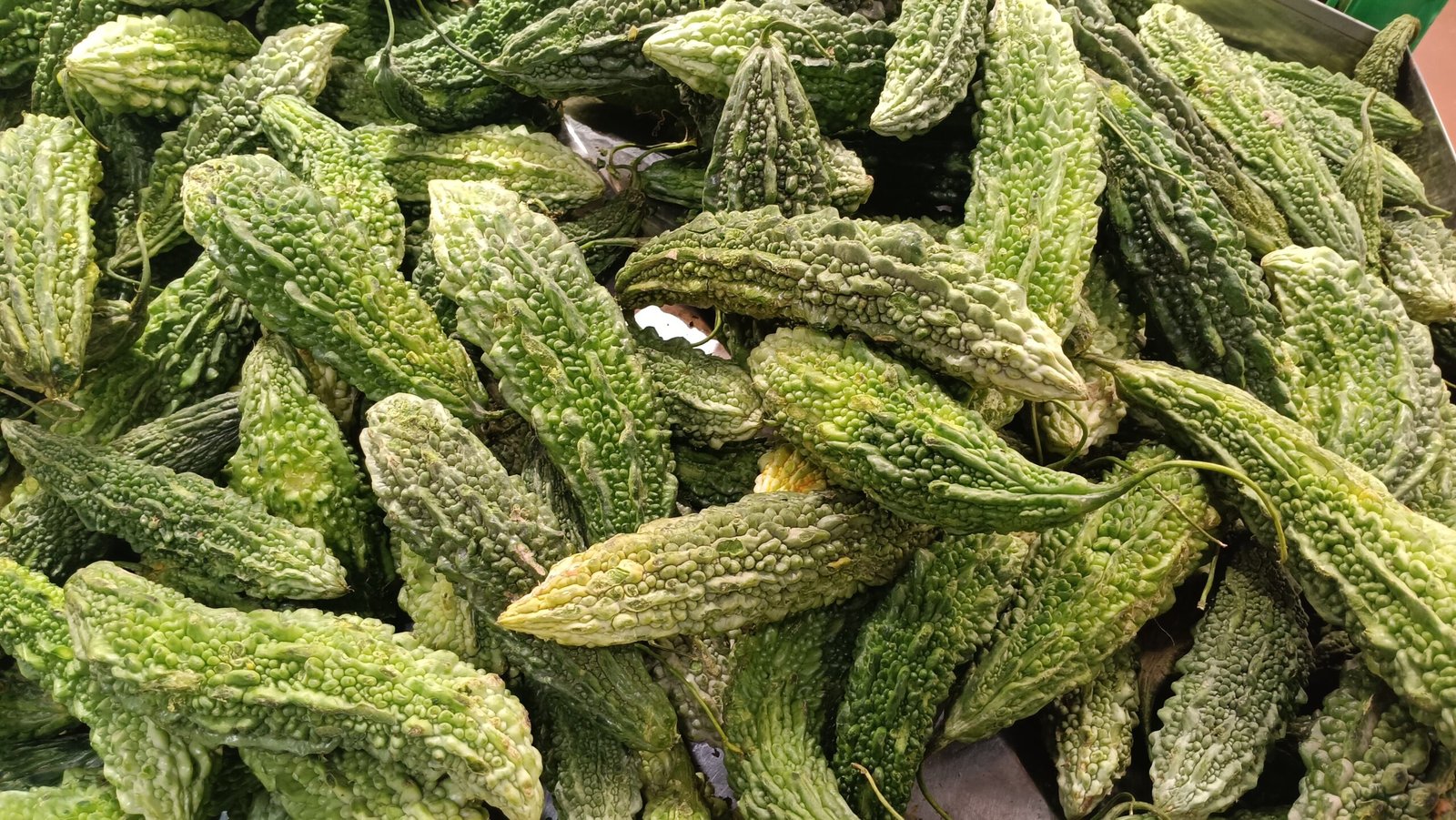
🌿 A Market Story: Bitter Gourd’s Journey From Stall to Kitchen
Introduction: A Morning at the Market
The streets of Karachi wake up early. By the time the first rays of sunlight stretch across the city, the vegetable market is already alive. Vendors shout prices in rhythmic tones, bargaining voices rise and fall, and the earthy scent of fresh produce fills the air.
As I walked past crates of tomatoes, onions, and leafy greens, my eyes landed on a pile of bitter gourds. Their rugged, bumpy skins glistened in shades of green — some dark, some pale. They looked almost intimidating, as if daring me to take them home.
I hesitated. Bitter gourd isn’t the kind of vegetable that wins popularity contests. Its sharp bitterness often divides families at the dinner table. Yet, something about that heap of gourds felt like a challenge worth accepting.
The Purchase: Choosing the Unloved Vegetable
The vendor noticed my pause and smiled knowingly.
“Healthy choice,” he said, wrapping a few gourds in newspaper. “Not tasty for everyone, but good for the body.”
His words carried wisdom. Bitter gourd has always been more than just food — it’s a healing vegetable, trusted across generations for its medicinal properties. While many shoppers walked past, I felt like I had stumbled upon a secret treasure of the market.
Kitchen Reflections: Taming the Bitterness
Back home, I sliced the gourds open. Their pale seeds spilled out, and the raw scent was sharp, almost medicinal. Cooking bitter gourd is not for the impatient. It demands care: salting to draw out bitterness, frying slowly with onions, or stuffing with spices.
I chose a simple recipe — thin slices sautéed with onions, turmeric, and chili. As the pan sizzled, the bitterness softened, transforming into something earthy and complex. It wasn’t sweet, but it was satisfying.
Cooking bitter gourd feels like taming a wild flavor. It teaches patience, resilience, and the art of finding beauty in what seems harsh.
Nutritional Values: Why Bitter Gourd Matters
Beyond taste, bitter gourd is a nutritional powerhouse:
- Rich in vitamins: Vitamin C boosts immunity, while vitamin A supports vision and skin health.
- Blood sugar regulation: Compounds in bitter gourd mimic insulin, making it a traditional remedy for diabetes.
- Digestive health: Its bitterness stimulates digestion and helps cleanse the gut.
- Weight management: Low in calories but high in fiber, it keeps you full while supporting healthy metabolism.
- Antioxidant properties: Helps fight free radicals, reducing risks of chronic diseases.
💡 Quick Fact: Bitter gourd juice, though intense in flavor, is a popular morning tonic in South Asian households.
Recipes: Turning Bitterness Into Delight
Bitter gourd’s versatility shines in kitchens across Asia:
- Stuffed bitter gourd: Hollowed out and filled with spiced minced meat or lentils, then slow‑cooked.
- Bitter gourd curry: Simmered with tomatoes, onions, and spices for a hearty dish.
- Bitter gourd chips: Thinly sliced, salted, and fried until crisp — a snack that surprises with flavor.
- Bitter gourd juice: A health tonic, often mixed with lemon or honey to balance the bitterness.
Each recipe tells a story of adaptation — how cultures across Asia learned to embrace bitterness and turn it into nourishment.
Market Culture: Bitter Gourd in Urban Life
In Karachi’s markets, bitter gourd isn’t just a vegetable; it’s part of the rhythm of urban life. Vendors stack it high, knowing that while not everyone loves it, those who do swear by its benefits.
It reflects the cultural resilience of city dwellers — choosing health over convenience, tradition over trends. In many households, bitter gourd is a reminder of grandparents’ wisdom, of recipes passed down through generations, and of the belief that food is medicine.
Health Traditions: Ancient Wisdom Meets Modern Science
Traditional medicine systems like Ayurveda and Unani have long praised bitter gourd for its healing properties. Modern science now supports many of these claims, especially its role in blood sugar regulation and digestive health.
In rural communities, bitter gourd is often grown in home gardens, valued not just as food but as a remedy. In urban kitchens, it bridges the gap between tradition and modern wellness trends.
Conclusion: Embracing the Bitterness
As I sat down to eat, I realized bitter gourd isn’t just food — it’s a lesson. It teaches us to embrace flavors that challenge us, to find nourishment in what seems difficult, and to appreciate the wisdom of tradition.
From the noisy market stall to the quiet kitchen table, bitter gourd carried a story of resilience, health, and culture. And in that moment, its bitterness felt less like a burden and more like a gift.
📚 Related Reads
- Urban Life: Street Scenes & Market Rhythms Discover how bustling city streets and local markets shape daily culture, connecting food, people, and tradition.
- Frozen Food: Modern Convenience Meets Tradition Explore the rise of frozen food in urban households — balancing speed, nutrition, and cultural taste.

About the News Rug Team The News Rug Team is a collective of contributors passionate about exploring everyday life through food, culture, and urban storytelling. From fresh produce markets to frozen food innovations, from traditional recipes to the pulse of city streets, our writers bring humanized insights that connect readers to both local and global experiences.
We focus on:
- Food & Recipes: Creative, approachable dishes that blend tradition with modern convenience.
- Urban Life: Capturing the rhythms of city streets, commerce, and culture.
- Analysis & Insights: Clear, reader‑friendly articles optimized for engagement and accessibility.
📸 Follow News Rug for more stories that celebrate food, flavor, and the everyday rhythms of urban living.