
Introduction to Electric Scooters
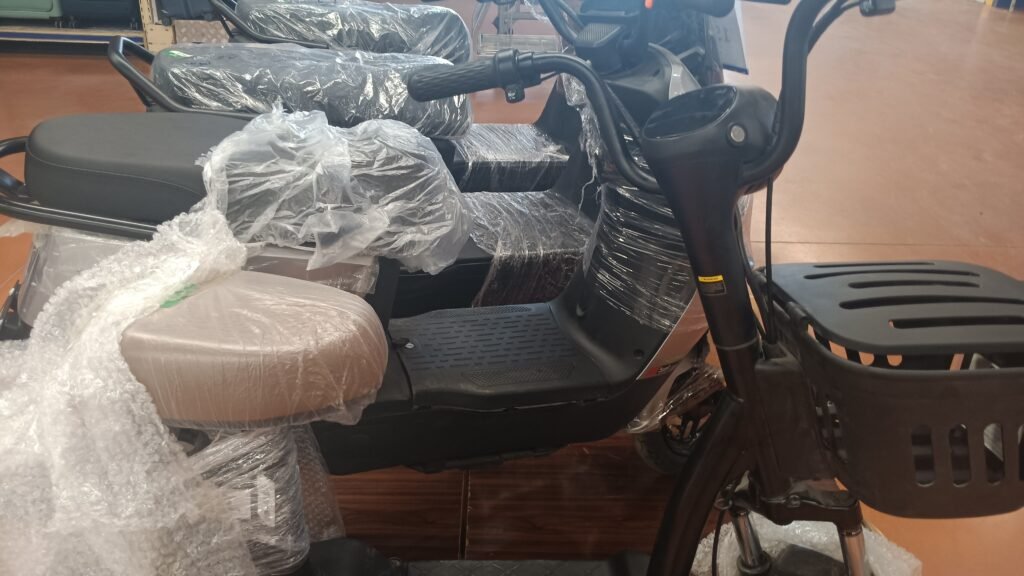
As I walked Into the big store I saw these scooters. Electric scooters, often referred to as e-scooters, have emerged as a popular mode of urban transportation, reflecting a significant shift in how people navigate cities. Their rise can be traced back to the increasing need for efficient, eco-friendly, and affordable alternatives to traditional vehicles. With growing concerns about traffic congestion and environmental sustainability, urban dwellers are increasingly turning to electric scooters as a viable solution for short-distance travel.
The historical context of electric scooters dates back to the early 2000s when small-scale manufacturers first began experimenting with electric-powered two-wheelers. However, the real breakthrough occurred in the late 2010s with the entry of ride-sharing companies, which introduced e-scooter rental services across major cities. This innovation spurred widespread adoption, as users appreciated the convenience of simply unlocking a scooter with their smartphones and easily zipping around town.
Several factors contribute to the growing trend of electric scooters. Firstly, the increasing awareness of sustainability has prompted individuals to seek greener transportation options. E-scooters produce zero emissions, making them an attractive alternative to gas-powered vehicles. Secondly, the urban infrastructure is gradually evolving to accommodate micromobility solutions, with municipalities investing in dedicated lanes and parking spaces for scooters. Furthermore, the affordability of e-scooter rentals allows users to experience the freedom of electric mobility without the financial burden of ownership.
The statistics surrounding electric scooter usage are indicative of this trend. Recent studies reveal that, in major cities worldwide, e-scooter trips have surged by over 200% in a single year, highlighting their growing acceptance and integration into urban commuting routines. With ongoing advancements in battery technology and broader support from local governments, the future of electric scooters appears promising, ensuring that they will remain a significant player in the transformation of urban mobility.
Understanding the Efficiency of Electric Scooters
The efficiency of electric scooters plays a critical role in their growing popularity as a sustainable mode of urban transport. Unlike traditional fuel-powered vehicles, electric scooters operate on batteries, which translate into significant reductions in energy consumption and operational costs. When assessing the energy efficiency of electric scooters, it becomes evident that they consume far less energy per mile than their gas-powered counterparts. Typically, an electric scooter can travel approximately 100 miles on just a few kilowatt-hours (kWh), while a gasoline vehicle may use several gallons of fuel to cover the same distance.
Another crucial aspect to consider is the environmental impact. The shift from conventional vehicles to electric scooters means that urban mobility can achieve a lower carbon footprint. Since electric scooters do not emit harmful pollutants during operation, their adoption can contribute substantially to improved air quality in densely populated areas. With reduced reliance on fossil fuels, these scooters also help decrease greenhouse gas emissions, making them a more eco-friendly transportation choice for short-distance travel.
Operational costs are also significantly lower when using electric scooters. Charging an electric scooter typically costs just a fraction of what it would take to refuel a gas-powered vehicle. Furthermore, the maintenance of electric scooters tends to be less costly due to fewer moving parts compared to internal combustion engines. Riders can benefit from lower service expenses and reduced wear and tear over time. Overall, the efficiency of electric scooters makes them not only a practical choice for urban mobility but also an attractive option for environmentally conscious individuals.
Lightweight Design: A Key Feature
The design of electric scooters emphasizes lightweight construction, which is a crucial feature for enhancing urban mobility solutions. Manufacturers utilize advanced materials such as aluminum alloys, carbon fiber, and high-strength plastics. These materials contribute significantly to reducing the overall weight of scooters while maintaining structural integrity and durability.
The primary advantage of a lightweight electric scooter is the ease of handling it provides. Users can effortlessly maneuver through tight spaces, which is essential in crowded urban environments. Moreover, the lightweight design makes it far easier to lift and carry the scooter, whether it’s for navigating public transportation or for convenient storage at home or the office.
Portability is another key benefit derived from the lightweight nature of electric scooters. Many models are designed to be compact and easily foldable, allowing users to transport them with minimal effort. This portability allows individuals to integrate electric scooters seamlessly into their daily commute, reducing reliance on automobiles and contributing to lower urban traffic congestion.
Additionally, a lighter scooter contributes to improved energy efficiency. With less weight to manage, electric motors consume less power, thereby extending the range of the scooter on a single charge. This feature is particularly beneficial for daily commuters who rely on this mode of transport for short to medium distances. Furthermore, lightweight electric scooters typically achieve better battery performance, which aligns with the growing demand for eco-friendly transportation solutions.
Environmental Benefits of Electric Scooters
The increasing adoption of electric scooters in urban environments brings with it a range of significant environmental advantages. One of the foremost benefits is the substantial reduction of greenhouse gas emissions. Traditional vehicles are known for their contribution to air pollution, primarily due to the combustion of fossil fuels. In contrast, electric scooters operate on electricity, which can be sourced from renewable energy, thus minimizing emissions and improving air quality in densely populated areas.
Furthermore, electric scooters contribute to a noticeable decrease in traffic congestion. With urban centers experiencing ever-increasing numbers of vehicles on the road, electric scooters present a viable alternative for short-distance travel. By replacing car trips with scooter rides, cities can alleviate congestion, which in turn reduces idle times for remaining vehicles. This not only lowers fuel consumption but also further curtails emissions, creating a more environmentally friendly commuting option.
Another notable environmental benefit is that electric scooters encourage a shift toward sustainable urban development. As cities adapt to accommodate these scooters, they often invest in infrastructure that supports environmentally friendly transport solutions. This can include dedicated scooter lanes and improved public transport services, fostering an environment where sustainable practices thrive. The combined effects of reduced emissions, less congestion, and enhanced urban planning highlight the integral role electric scooters play in promoting a more sustainable future.
In summary, the environmental implications of electric scooters extend far beyond mere convenience. By lowering carbon emissions, alleviating traffic congestion, and inspiring sustainable urban policies, electric scooters signify a vital step towards a greener, more sustainable urban mobility landscape.
Cost Efficiency: Fuel and Maintenance Savings
The rising popularity of electric scooters in urban areas can be attributed to their numerous economic advantages, particularly concerning fuel and maintenance savings. Unlike traditional gasoline vehicles that require costly fuel, electric scooters operate on rechargeable batteries, significantly reducing fuel expenses. The cost of electricity used to charge these batteries is substantially lower than purchasing gasoline. Depending on local fuel prices, switching to an electric scooter can save riders several hundred dollars annually, especially for those who rely on personal vehicles for short commutes.
Furthermore, electric scooters have proven to be more efficient in terms of energy consumption. Many models can travel several miles on a single charge, often providing a range that suits urban commuting needs. This efficiency not only translates into direct savings but also contributes to lower environmental impact, making electric scooters a smart choice for eco-conscious individuals.
In addition to fuel savings, electric scooters generally incur lower maintenance costs when compared to traditional vehicles. Gasoline-powered vehicles require regular oil changes, exhaust system repairs, and other maintenance services that can add up quickly. In contrast, electric scooters have fewer moving parts and do not require oil changes, leading to lower upkeep expenses. Routine maintenance often consists of checking the brakes, tires, and battery health, making it not only cost-effective but also time-saving for owners.
Another financial advantage is that electric scooters tend to have lower insurance premiums. Insurance companies often charge less for electric scooters than for conventional cars due to the lower risk of accidents and damage associated with their smaller size and lower speeds. This reduction in insurance costs contributes further to the overall financial benefits of owning an electric scooter.
Safety and Regulations: Navigating the Urban Landscape
Electric scooters have gained popularity in urban settings due to their convenience and environmental benefits. However, with the increased usage of these vehicles, the issue of safety has come to the forefront. Riders must understand the safety precautions necessary when operating an electric scooter. Helmet usage is one of the fundamental safety measures, as it significantly reduces the risk of head injuries in case of accidents. In many cities, wearing a helmet is mandated by law, emphasizing its importance in promoting rider safety.
Moreover, riders should be familiar with the specific regulations governing electric scooter usage in their area. These regulations can vary significantly between cities. Some locations have established designated lanes for scooter riders, while others may require riders to use pedestrian sidewalks. It is crucial for electric scooter users to adhere to these laws to ensure not just their safety but also that of pedestrians and other road users. Compliance with local laws can help prevent accidents and contribute to a smoother integration of electric scooters within the urban transport ecosystem.
Furthermore, understanding traffic rules is vital for electric scooter safety. Riders should actively yield to pedestrians, observe traffic signals, and be cautious at intersections. Engaging in safe riding practices, such as maintaining a safe distance from other vehicles and avoiding sudden maneuvers, can greatly reduce the risk of accidents. As electric scooters become more ubiquitous, enhancing safety awareness through education and enforcement of regulations will be critical. Local authorities can play a key role by providing resources and information to ensure that all scooter users are informed of the necessary laws and best practices, fostering a safer environment for everyone on the roads.
The Future of Electric Scooters in Urban Areas
The future of electric scooters in urban areas appears promising, with numerous trends and advancements on the horizon. One of the pivotal factors in this growth trajectory is the continuous technological development that enhances the performance and reliability of electric scooters. Innovations such as improved battery technology are leading to longer ranges and shorter charging times, addressing two of the most significant challenges faced by users. Lightweight materials and advanced design techniques are also making scooters more efficient, allowing for a more seamless integration into urban environments.
Moreover, the integration of electric scooters with public transport systems is gaining attention. City planners are beginning to see the potential for scooters to serve as first-mile and last-mile solutions. This concept enhances the overall efficiency of public transport networks by providing users with convenient options to travel to and from transit hubs. For instance, designated parking areas for scooters at train and bus stations are being implemented to facilitate this integration. Such initiatives not only promote the usage of scooters but also help in reducing congestion and lowering greenhouse gas emissions.
Cities around the world are adapting their infrastructures to accommodate the growing presence of electric scooters. This includes creating dedicated lanes that ensure the safety of all road users, as well as enforcing regulations that promote responsible riding practices. As urban areas continue to evolve, the presence of electric scooters is likely to become more pronounced, with municipalities prioritizing sustainable transport solutions. As a result, scooter operators are refining their business models to align with the sustainable goals of cities, offering shared mobility options that make urban travel accessible to a wider audience. The future of electric scooters thus not only reflects advancements in technology but also signifies a broader shift towards sustainable urban mobility.
Challenges Facing Electric Scooter Adoption
The adoption of electric scooters as a mode of urban transportation has sparked considerable interest; however, several challenges must be addressed to ensure their seamless integration into city environments. One significant concern is the inadequacy of existing infrastructure designed to accommodate electric scooters. Many urban areas lack dedicated lanes, parking facilities, and safe spaces for users, which can lead to accidents and hinder rider confidence. An improved infrastructure that includes bike lanes, charging stations, and designated parking spots would greatly enhance the usability of electric scooters.
Public perception of electric scooters also poses a barrier to widespread acceptance. While some city dwellers may welcome the introduction of scooters as a convenient and eco-friendly alternative to cars, others may have reservations due to safety concerns and the behaviors of inexperienced users. Reports of reckless riding and improper parking have contributed to a negative image, prompting discussions among city officials about regulations to enforce responsible use.
Legal hurdles present another layer of complexity in the rollout of electric scooters. Various jurisdictions have different regulations regarding scooter operation, including age limits, speed restrictions, and licensing requirements. These discrepancies can create confusion for users and companies alike, hampering the scooters’ potential to become a standardized mode of urban transport. Advocacy for uniform regulations and comprehensive legal frameworks that address these challenges is essential to promote electric scooter adoption and ensure their safe use.
Moreover, the environmental impact of electric scooters is a nuanced issue, as the sustainability of their production and the lifecycle emissions associated with their usage must be considered. Addressing these challenges head-on will aid cities in maximizing the benefits offered by electric scooter initiatives while minimizing potential drawbacks.
Conclusion: A New Era of Urban Mobility
As we have explored throughout this discussion, electric scooters are revolutionizing urban mobility by providing an efficient, eco-friendly, and convenient mode of transportation. The rise of this innovative vehicle has addressed many challenges faced in metropolitan areas, including traffic congestion and pollution, while promoting a shift towards sustainable commuting practices.
Electric scooters offer significant advantages, such as their ability to navigate through congested streets and their low environmental impact. Riders can easily cover distances that would otherwise require more time when using traditional forms of transport. Moreover, the ease of accessibility and affordability of scooter-sharing programs has encouraged many urban dwellers to reconsider their travel preferences. As cities invest in infrastructure tailored for scooters, the adoption rate is poised to increase further.
However, the transition to a scooter-friendly urban environment requires thoughtful planning and collaboration between city planners, scooter companies, and the general public to ensure safety and convenience. Important considerations involve addressing regulations, parking solutions, and rider education to enhance the overall experience. This collective effort will play a crucial role in cementing electric scooters as a primary transport choice in the future.
In embracing this shift, we invite readers to consider incorporating electric scooters into their daily travel routines. As urban landscapes evolve, so too do the opportunities for efficient and sustainable travel. The future of urban mobility appears promising, with electric scooters leading the charge. Adapting to this new era of urban mobility might not only improve individual commute experiences but also contribute to a broader cultural shift toward sustainable urban living.

Founder of What Buy & Author of “Diplomacy on the Edge.” Durrani writes about education, creativity, and digital entrepreneurship. His mission: helping students learn smarter and earn better.
Follow me on:
Facebook |